Summer heat, high humidity, and improper storage can lead to nutrient loss, mould growth, and even spontaneous combustion of forage. Here are the most common problems and how to identify them in time.
Many livestock farmers invest significant amounts in high-quality forage, but part of it can be lost during storage. Moisture, high temperatures, and insufficient ventilation create ideal conditions for mould development, reduced nutritional value, and even dangerous self-heating of bales. According to experts, improper storage can result in serious losses in both forage quality and animal productivity.
“Agriculture is the wisest pursuit, because in the end it brings the greatest wealth, good morals, and prosperity.”
Thomas Jefferson
“High-quality forage is not produced only in the field – it is preserved in storage.”
Mould Growth in Forage
Why Does It Occur?
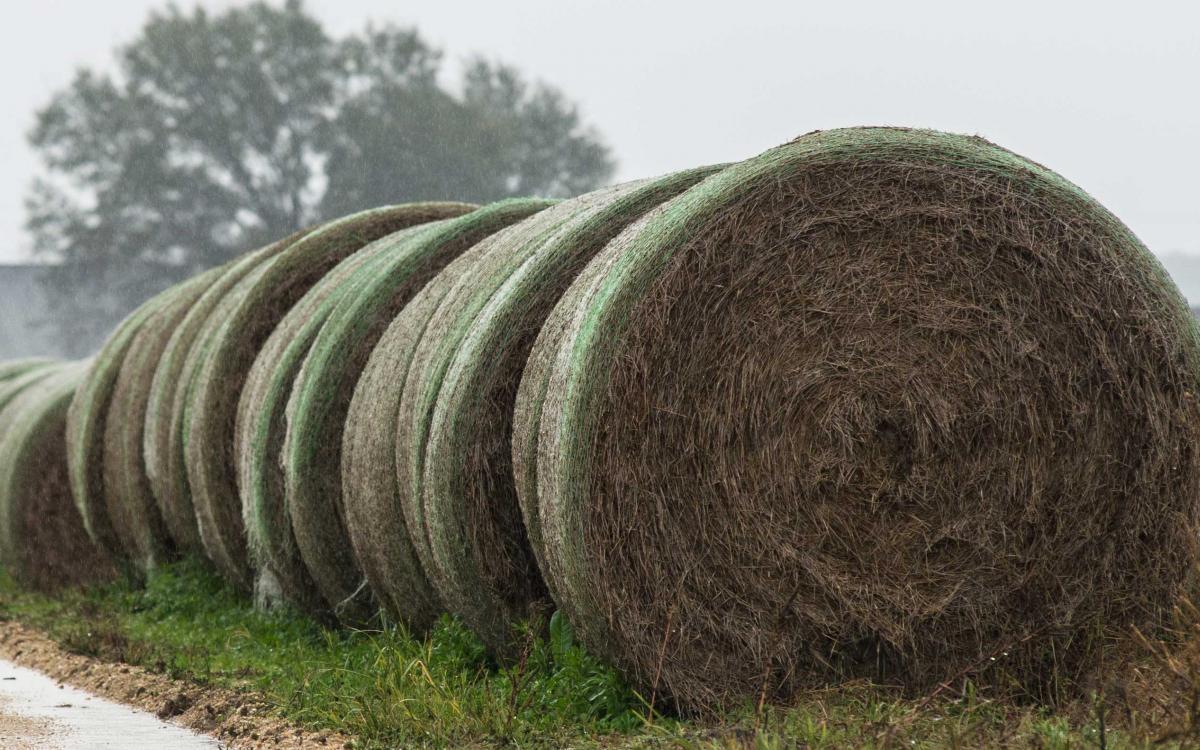
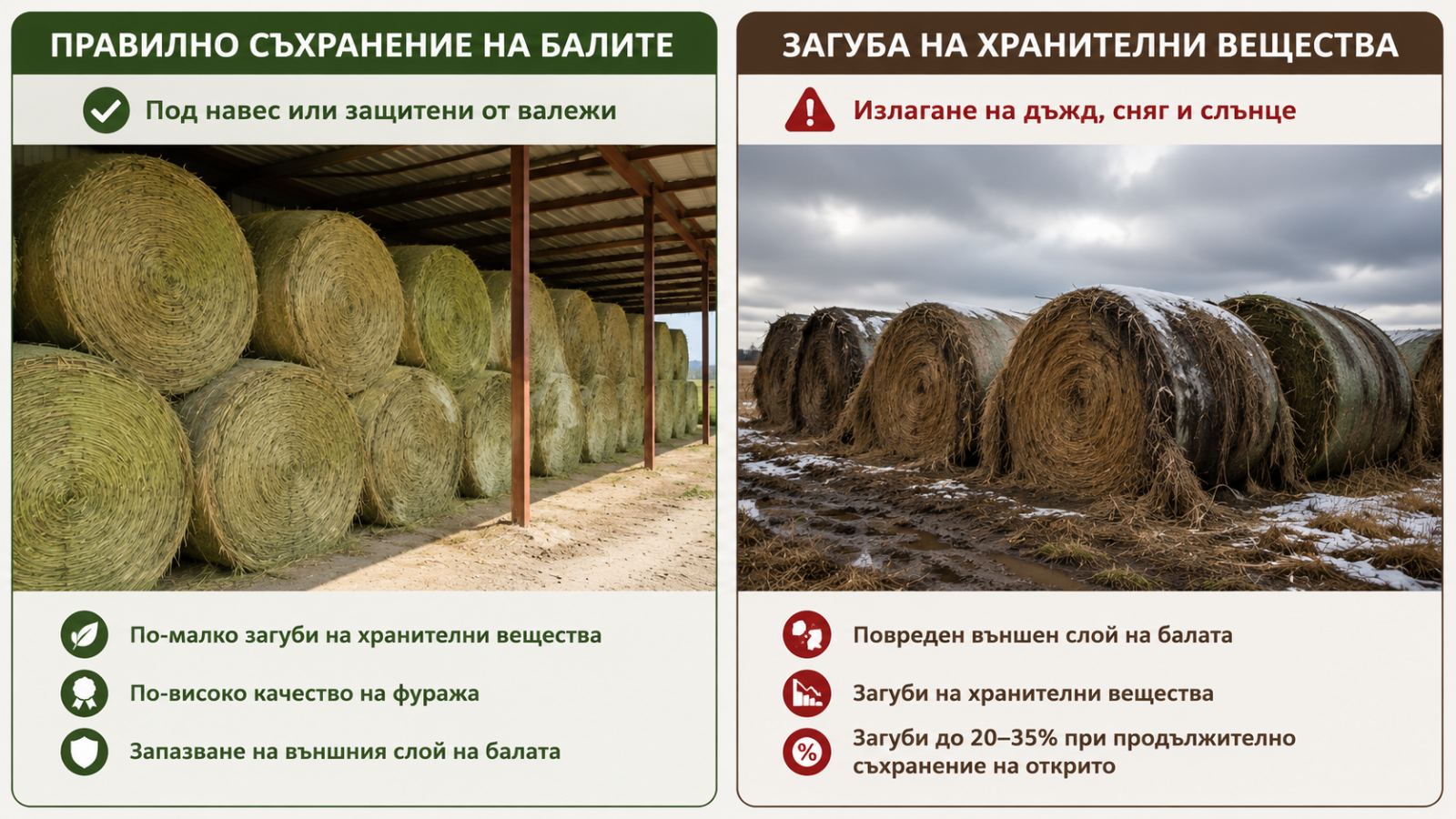
The most common causes are baling forage with excessively high moisture content or storing it outdoors without sufficient protection from rain and condensation.
Signs:
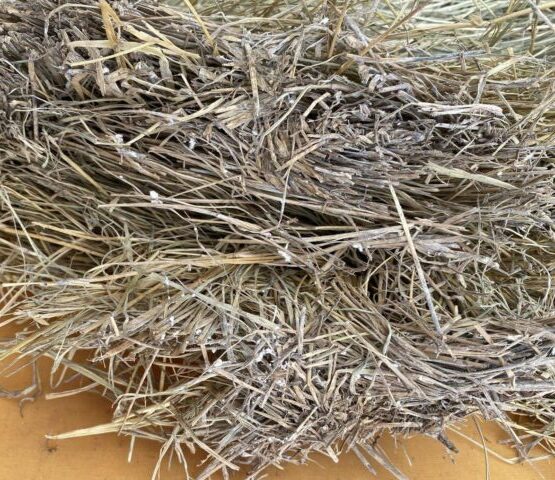
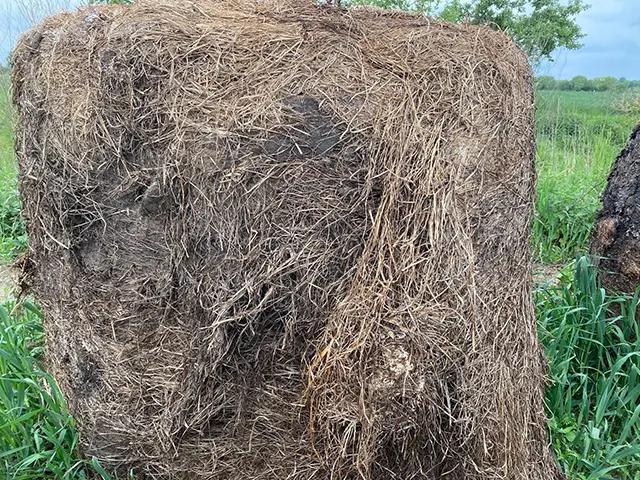
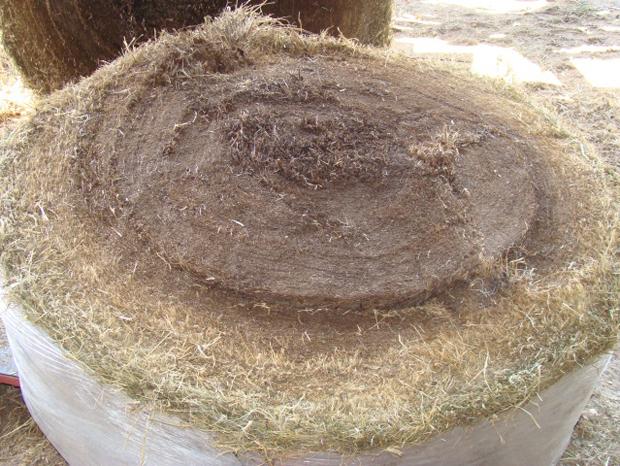
white, grey, or greenish patches;
powdery spores;
an unpleasant damp or mouldy smell;
clumped or compacted areas in the forage.
Risk to Animals
Mouldy forage can cause respiratory problems, reduced feed intake, and lower productivity.
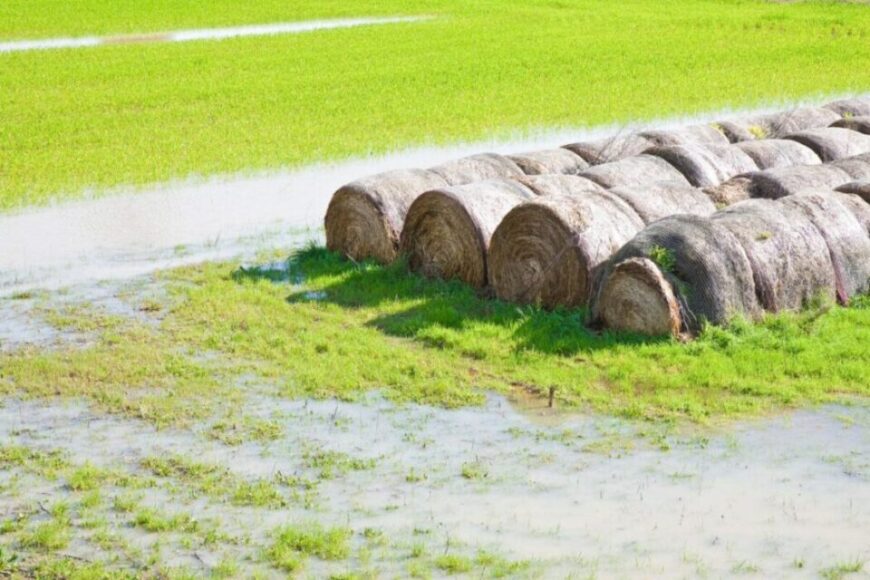
Moisture from the Floor and the Surrounding Environment
Why Does It Occur?
bales are placed directly on the ground;
no pallets are used;
roof leaks;
insufficient air circulation.
Self-Heating of Bales
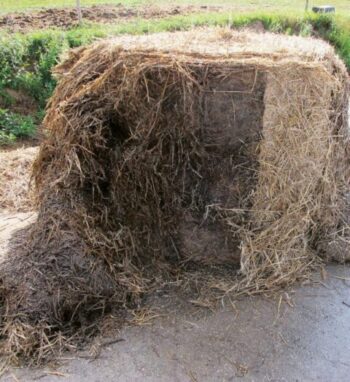
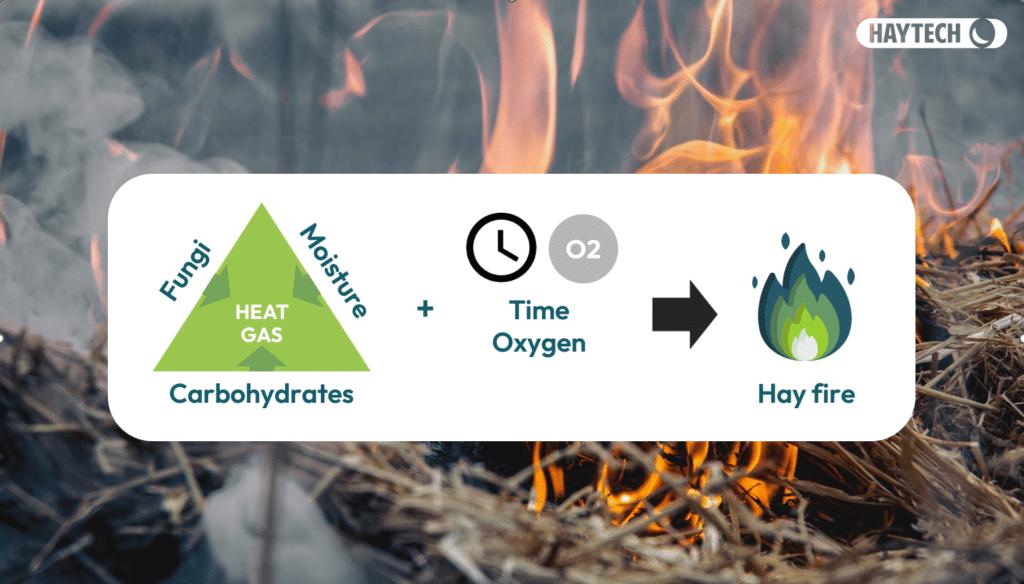
When moisture levels are too high, microorganisms begin actively breaking down the plant material and releasing heat. In severe cases, this can lead to spontaneous combustion.
What Are the Warning Signs?
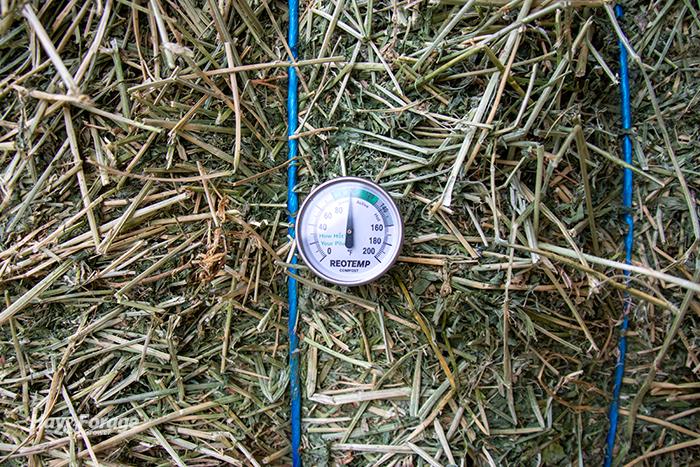
warm or hot bales;
steam or condensation in the storage area;
a distinctive caramel-like smell;
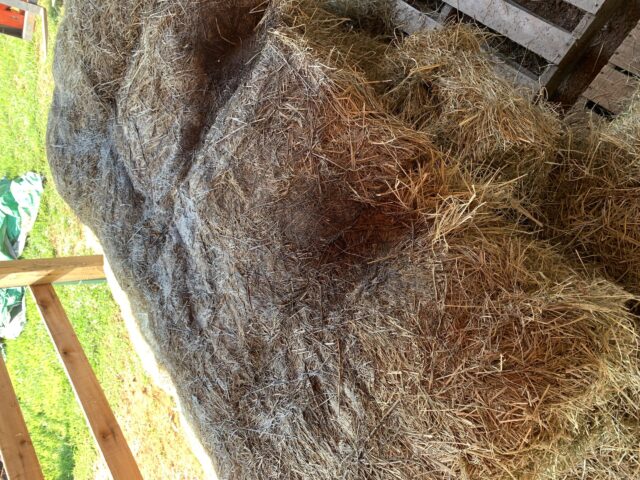
brown discolouration of the forage.
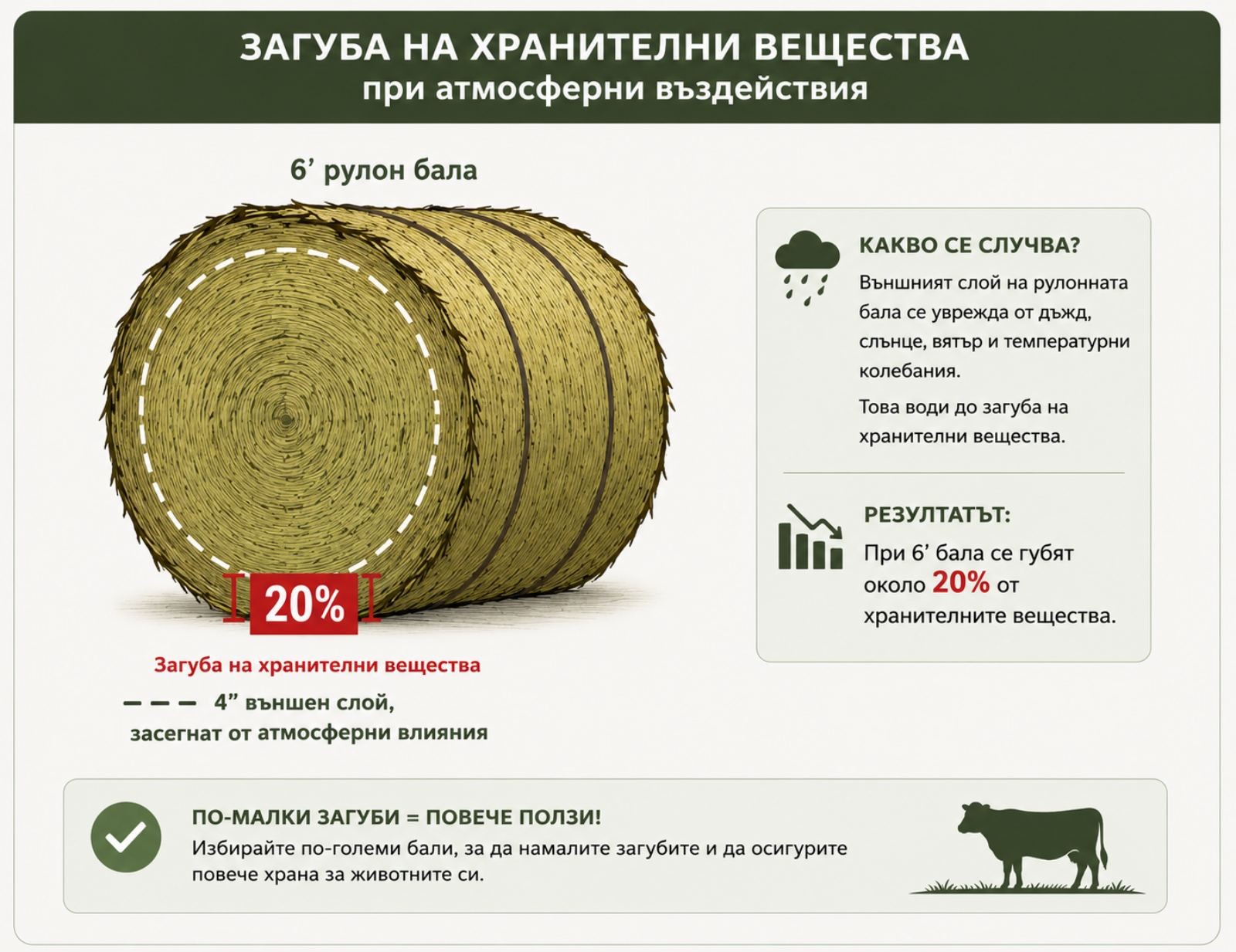
Loss of Nutritional Value
Even when there are no visible signs of mould, improper storage gradually reduces the nutritional value of the forage.
What Are the Consequences?
lower energy content;
reduced protein content;
lower milk yield;
slower animal growth.
How Can These Problems Be Avoided?
✅ Store bales under a shelter or in an enclosed storage facility.
✅ Use pallets or a concrete base.
✅ Ensure good ventilation.
✅ Monitor the temperature of newly stored bales during the first few weeks.
✅ Prevent roof leaks.
✅ Regularly inspect the forage for signs of mould.
✅ If you suspect that the bales are heating up, take immediate action.
Previous Post
SKAVSKA – More Than a Building, an Investment in an Efficient Farm



 By